What to Watch for When Buying a Used Roller (Soil/Asphalt)?
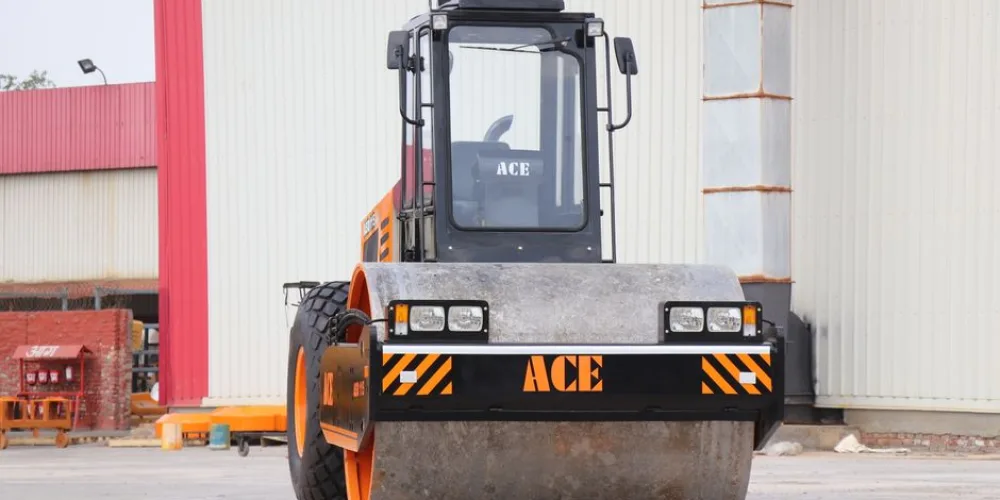
Drum, vibration system, drive and type choice: soil or asphalt, single or double drum, what to check.
Short answer: First clarify the job type: a single-drum soil roller for fill/subgrade compaction, a double-drum or pneumatic-tired one for asphalt. Then check the vibration system (eccentric bearing, dampers) and the drum for cracks/dents — a vibration fault is the most expensive item. On a low-hour-looking roller, the real risk is bearing and damper fatigue.
This guide answers: Soil or asphalt roller? · How is a vibration fault spotted? · When is a padfoot needed? · How many tons of roller to choose?
- The vibration system (bearing + damper) is a roller's most expensive hidden item
- Type choice (soil/asphalt, single/double drum) determines whether it can do the job
- Low hours ≠ sound: bearing/damper fatigue also advances during standstill
- Hydrostatic drive is assessed with an uphill traction test
Soil or asphalt roller?
A single drum (smooth face or padfoot) is for soil/fill; double-drum and pneumatic-tired rollers are used in asphalt paving. Buying the wrong type means it cannot do the job.
Is the vibration system sound?
Try the vibration at idle and on the ground; abnormal noise, excessive vibration transmitted to the cabin and overheating are eccentric-bearing problems. Damper (silent block) cracks lead to drum damage.
Drive and hydrostatic
Forward-reverse changes should be smooth; leaks/power loss in a hydrostatic transmission are expensive. Do a traction test on a slope.
Frequently asked questions
Padfoot or smooth drum? On clayey/cohesive ground a padfoot, on granular fill a smooth drum compacts better.
How many tons of roller are needed? Based on layer thickness and ground type; the compaction degree in the project specification is decisive.
For the current price range: valuation tool · listings for sale · cost calculators
Last updated: 07.07.2026 · Based on field practice and platform data; it does not replace a technical inspection.
Comments
No comments yet. Be the first to comment.
Write a Comment
Related Guides
Posting is free — buyer messages come straight to you, no commission.
Post a free listing Why sell here?