What to Watch for When Buying a Used Asphalt Paver (Finisher)?
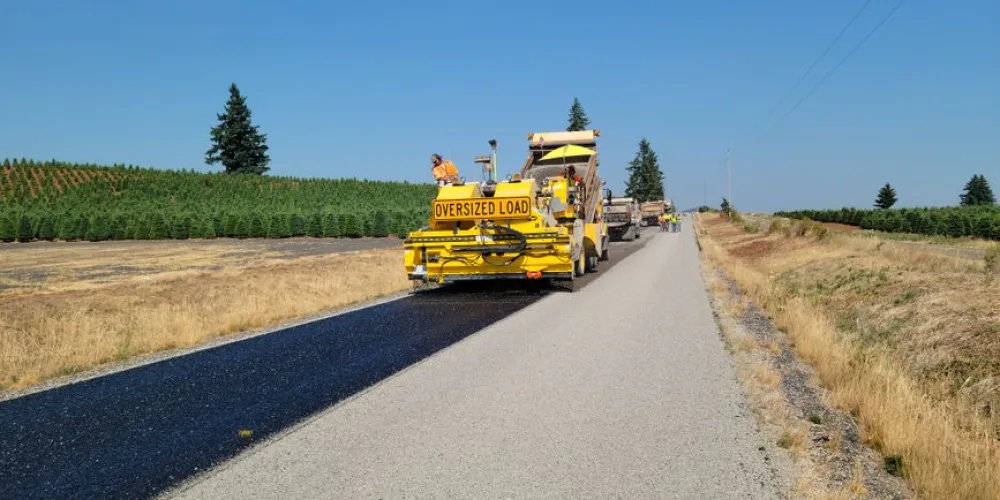
Screed heating, conveyor-auger, automation and track: what determines asphalt quality.
Short answer: On an asphalt paver, paving quality comes from the screed: the screed heating system (electric/gas), the extension mechanism and the wear plates are checked. The feed (conveyor + auger) and the layer-thickness automation (sensors) must work; broken automation cannot deliver a flat surface. Tracked undercarriage and thermal systems require maintenance history.
This guide answers: How many meters of paving width are needed? · How is screed heating checked? · How is the automation tested? · Electric or gas heating?
- Paving quality comes from the screed heating and automation
- Conveyor/auger wear is the main source of surface defects
- Broken thickness automation cannot deliver a flat surface
- Thermal systems and the track require regular maintenance
Screed and heating
Are the heating elements working, are the screed plates worn? On an extending screed, the side-extension mechanism must move without binding.
Feed system
Conveyor belts and auger wear affect material distribution; irregular feed causes surface defects.
Automation and undercarriage
The layer-thickness/grade sensors and controls must work. Traction and leaks are checked on the tracked/wheeled undercarriage.
Frequently asked questions
How many meters of paving width are needed? Based on your road/project width; an extending screed provides flexibility.
Electric or gas heating? An electric screed heats more evenly but demands generator load; it depends on the job.
For the current price range: valuation tool · listings for sale · cost calculators
Last updated: 07.07.2026 · Based on field practice and platform data; it does not replace a technical inspection.
Comments
No comments yet. Be the first to comment.
Write a Comment
Related Guides
Posting is free — buyer messages come straight to you, no commission.
Post a free listing Why sell here?